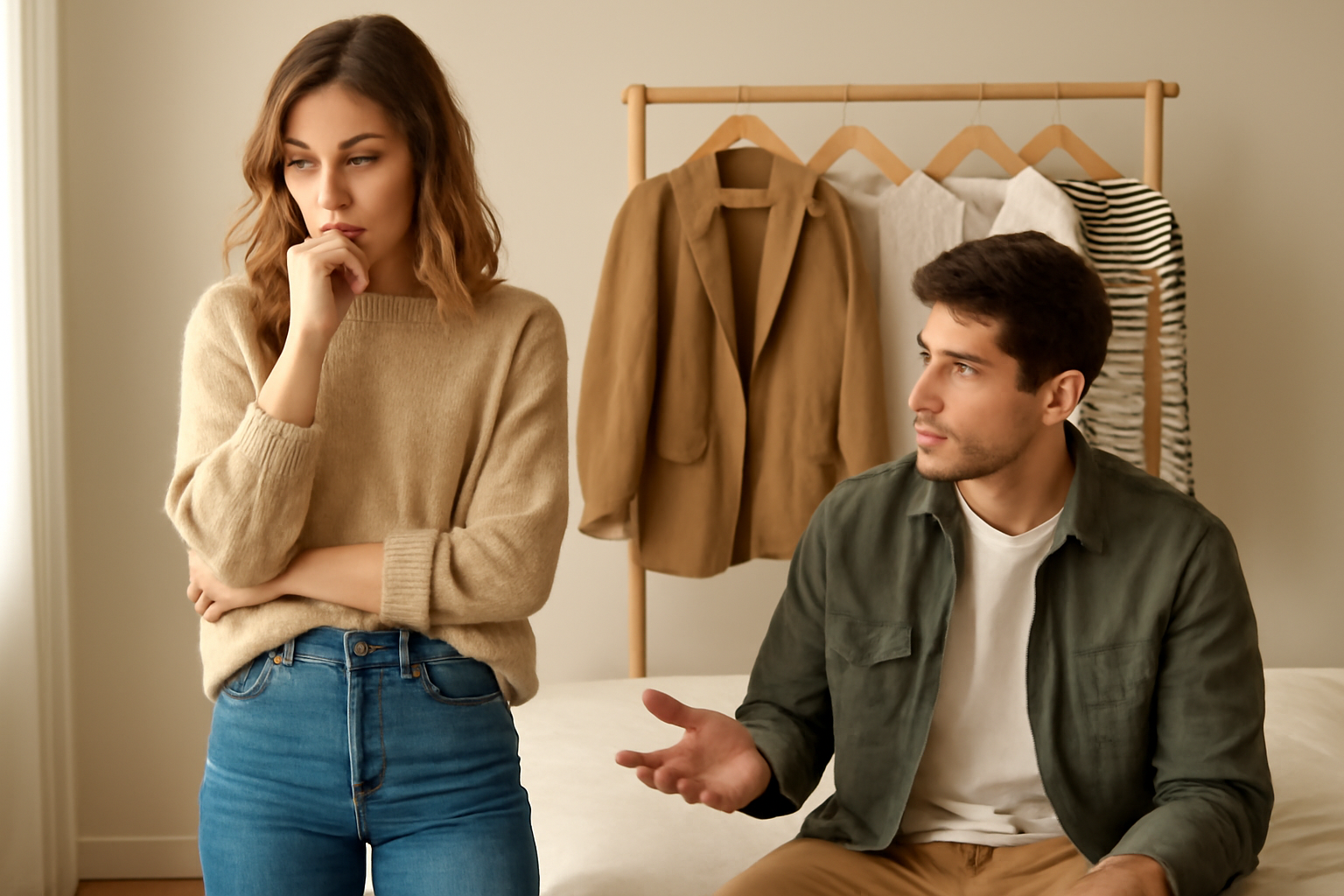
Creating the perfect casual outfit can sometimes feel like a daunting task. You might find yourself frustrated with mismatched pieces or unsure about what works together. These issues are common, but they can be easily addressed with a few practical tips.
In this guide, we'll explore typical problems that arise when putting together casual outfits, identify their root causes, and provide straightforward solutions. By understanding these challenges, you can build stylish everyday outfits that reflect your personal style.
Understanding the Problems
Before we dive into solutions, it's essential to recognize the common issues faced when mixing and matching casual outfits. Here are some symptoms that might indicate you need to reassess your outfit combinations: Your Ultimate Guide to Affordable Fashion.
Mismatch of Styles
One of the most frequent issues is the clash of styles. You might pair a casual top with formal bottoms or mix sporty pieces with dressy items, leading to an uncoordinated look. affordable fashion finds.
Poor Fit and Comfort
Another common problem is wearing pieces that don't fit well or are uncomfortable. Even the trendiest outfit won't look good if you feel restricted or awkward in it.
Overcomplicating the Outfit
Sometimes, we overthink our outfit combinations, trying to incorporate too many layers or accessories that can overwhelm the look. Simplicity often wins in casual wear.
Quick Diagnosis
To quickly diagnose your outfit issues, ask yourself the following questions:
- Are the styles of my top and bottom complementary?
- Do I feel comfortable and confident in this outfit?
- Have I included too many elements that distract from the overall look?
By answering these questions, you can identify the key areas that may need adjustment. Let's break down each question further to help you make informed decisions about your outfit.
Are the styles of my top and bottom complementary?
Complementary styles are essential for a cohesive outfit. Here are some tips to ensure your top and bottom work well together:
-
Match the Silhouettes: Consider the shapes of your clothing. For example, if you're wearing a loose-fitting top, pairing it with structured bottoms like tailored pants can create a balanced look. Conversely, a fitted top can work well with flowy skirts or wide-leg trousers.
-
Color Coordination: Use a color wheel to find complementary colors. If your top is a bold color, consider neutral bottoms to avoid overwhelming the outfit. For instance, a vibrant red blouse pairs nicely with classic black jeans.
-
Pattern Mixing: If you're mixing patterns, ensure they share a common color palette. For example, a striped shirt can pair well with floral pants if both patterns contain similar colors.
Do I feel comfortable and confident in this outfit?
Comfort is key to feeling confident in your outfit. Here are some factors to consider:
-
Fit: Ensure that your clothing fits well. Clothes that are too tight or too loose can lead to discomfort and self-consciousness. Try moving around in your outfit to see how it feels-sitting, walking, and reaching should be easy.
-
Fabric Choice: Opt for fabrics that feel good against your skin. Natural fibers like cotton and linen are breathable, while synthetic materials may cause discomfort in warmer weather. If you're unsure, do a fabric test by touching it against your skin before purchasing.
-
Personal Style: Wear what makes you feel like yourself. If you're trying to adopt a style that doesn't resonate with you, it will show in your confidence. Stick to pieces that reflect your personality.
Have I included too many elements that distract from the overall look?
Simplicity often leads to sophistication. To ensure your outfit isn't cluttered, consider these strategies:
-
Limit Accessories: Choose one or two statement accessories rather than overloading your look. For example, if you're wearing bold earrings, consider skipping a necklace to keep the focus on your face.
-
Stick to a Theme: Decide on a theme or style for your outfit and stick to it. For instance, if you're going for a casual look, avoid pairing it with overly formal shoes or accessories that don't align with the vibe.
-
Check for Balance: Ensure that your outfit has a focal point. If your top is eye-catching, keep the bottoms simple. If you're wearing patterned pants, opt for a solid-colored top to maintain visual balance.
By systematically addressing these questions and considerations, you can quickly diagnose and resolve issues with your casual outfit combinations. This approach not only helps you refine your style but also boosts your overall confidence in your fashion choices.
Root Causes of Outfit Issues
Understanding why these problems arise can help you avoid them in the future. Here are some common root causes:
Lack of Versatile Wardrobe Essentials
Having a limited selection of versatile wardrobe essentials can lead to difficulties in creating cohesive looks. When your wardrobe lacks foundational pieces, it becomes challenging to mix and match effectively. Here are some steps to build a versatile wardrobe:
-
Identify Key Pieces: Focus on items like a classic white shirt, a tailored blazer, dark jeans, and a little black dress. These can be dressed up or down and paired with various accessories.
-
Choose Neutral Colors: Opt for neutral colors such as black, white, beige, and navy. These shades can easily be combined with brighter colors or patterns, allowing for more outfit options.
-
Invest in Quality: Rather than buying many inexpensive items, invest in a few high-quality essentials that will last longer and maintain their shape and color.
-
Regularly Assess Your Wardrobe: Every season, take time to evaluate your clothing. Remove items that no longer fit or that you haven't worn in a year to make space for versatile pieces.
By ensuring you have a solid foundation, you can create numerous outfit combinations without feeling overwhelmed.
Unawareness of Trends
Not staying updated on fashion trends can also contribute to outfit struggles. Casual styles evolve, and what was once fashionable may no longer work well together. Here are some practical tips to keep your style current:
-
Follow Fashion Influencers: Identify a few fashion influencers or bloggers whose styles resonate with you. Follow them on social media to get daily inspiration and insights into current trends.
-
Subscribe to Fashion Magazines: Consider subscribing to fashion magazines or websites that cover the latest trends. This can provide you with a curated look at what's in style.
-
Attend Local Fashion Events: Participate in local fashion shows or events where you can see new styles in action and talk to others about their fashion choices.
-
Experiment with Trends: Don't be afraid to try new trends in small doses. Incorporate trendy accessories or a statement piece into your outfit to see how it fits your style.
By staying engaged with fashion trends, you can ensure your casual outfits remain fresh and relevant.
Emotional Dressing
Sometimes, our mood can influence our outfit choices. If you're feeling down or insecure, you might reach for familiar pieces that don't inspire you, leading to uninspired combinations. Here are some strategies to help you dress more positively:
-
Keep a Mood Board: Create a visual collection of outfits that make you feel good. Refer to this board when you're feeling uninspired to remind yourself of your style goals.
-
Dress for the Day: Consider your plans and choose outfits that match your activities. Dressing appropriately for the occasion can boost your confidence and improve your mood.
-
Use Color Psychology: Certain colors can uplift your mood. Incorporate brighter colors or patterns into your outfits on days when you need a confidence boost.
-
Plan Outfits Ahead: On days when you feel low, having pre-planned outfits can save you time and mental energy. Set aside time weekly to organize outfits for the upcoming days.
By being mindful of your emotional state and how it influences your dressing, you can make more intentional choices that enhance your confidence and style.
Fix It Fast
Now that we've identified the issues and their causes, let's look at quick fixes to enhance your casual outfit game:
Invest in Versatile Pieces
Start by investing in versatile wardrobe essentials. Look for comfortable clothing styles that can easily be dressed up or down. For instance, a classic white tee or a denim jacket can be paired with various bottoms to create trendy outfits for everyday wear.
Focus on Fit
Make sure your clothing fits well. If you have pieces that are too tight or too loose, consider tailoring them or opting for affordable clothing options that fit your body shape better. Comfortable clothing styles should make you feel confident.
Keep It Simple
When in doubt, simplify your outfit. Stick to one or two statement pieces and let them shine without competing with too many other elements. Casual outfits for women can be chic and effortless!
Long-Term Solutions
While quick fixes can help you in the moment, implementing long-term strategies will ensure you create fabulous outfits consistently.
Build a Capsule Wardrobe
Consider creating a capsule wardrobe filled with stylish everyday outfits that mix and match well. This approach allows you to have a collection of items that work together seamlessly, making it easier to get dressed.
Stay Informed About Trends
Subscribe to fashion blogs, follow influencers, and explore social media platforms to stay updated on the latest trends that resonate with your style. This knowledge will help you make informed choices when selecting new pieces.
Practice Mindful Dressing
Take the time to evaluate your wardrobe regularly. Identify pieces that you love and feel good wearing, and consider letting go of items that don't serve you anymore. This practice will refine your style and make outfit selection easier.
Conclusion
Fixing issues with casual outfit combinations is entirely achievable with a clear understanding of the problems and practical solutions. Start by investing in versatile pieces, focusing on fit, and simplifying your looks. As you build a collection of stylish everyday outfits, you'll find it easier to create confident looks that express your personal style. Begin today by assessing your wardrobe and incorporating these tips for improved outfit combinations!
Steps to Achieve Better Outfit Combinations
-
Assess Your Wardrobe: Take a day to go through your closet. Identify pieces you wear often and those that remain untouched. This will help you understand your style preferences and gaps in your wardrobe.
-
Identify Versatile Basics: Look for key items that can be mixed and matched easily. Consider neutral colors like black, white, gray, and beige for tops and bottoms that can pair well with various accessories.
-
Focus on Fit: Ensure that your clothes fit well. Consider visiting a tailor for adjustments, as a well-fitted outfit can elevate your look significantly.
-
Create Outfits: Start creating outfits by pairing different items together. Take pictures of combinations that work well, so you can easily reference them later.
-
Experiment with Accessories: Accessories can transform a basic outfit into something special. Try different scarves, jewelry, hats, and bags to see how they change the vibe of your look.
-
Stay Updated on Trends: Follow fashion blogs, social media, and magazines to keep up with current trends. You don't have to adopt every trend, but it can inspire your outfit choices.
Common Mistakes to Avoid
-
Overcomplicating Outfits: One common mistake is trying to incorporate too many elements into a single outfit. Aim for a balanced look with a focal point, rather than overwhelming your style with excessive layers or accessories.
-
Ignoring Comfort: While style is important, comfort should not be sacrificed. Ensure that your outfits are not only fashionable but also comfortable enough for daily wear.
-
Neglecting Seasonal Changes: Adjust your wardrobe according to the seasons. Lightweight fabrics in summer and layering pieces in winter can help you stay stylish and comfortable.
-
Sticking to One Color Palette: While having a signature color can be great, limiting yourself can lead to a monotonous wardrobe. Experiment with different colors and patterns to add variety.
-
Not Utilizing What You Own: Sometimes, you may overlook items in your closet. Challenge yourself to create new combinations with pieces you already own before rushing to buy new clothes.
Checklist for a Versatile Wardrobe
- Have at least three pairs of well-fitted jeans or trousers.
- Include basic tees and tanks in neutral colors.
- Invest in a couple of stylish blazers or cardigans.
- Ensure you have comfortable yet chic shoes suitable for various occasions.
- Incorporate a few statement pieces that reflect your personality.
- Keep a selection of versatile accessories, such as scarves and hats.
By following these steps, avoiding common mistakes, and using the checklist, you'll be well on your way to fixing issues with your casual outfit combinations. Remember, fashion is a personal journey, and with each outfit, you express a part of who you are. Embrace the process, and soon you'll find that creating stylish looks becomes second nature!
In short
This post focuses on fixing issues with casual outfit combinations with a practical approach you can apply right away. Built for Enthusiasts / learners / participants (not sellers). You?ll see root causes, fast fixes, and how to prevent repeat issues.
Quick answer
Most fixing issues with casual outfit combinations problems come from a small number of causes: unclear setup, unrealistic expectations, or inconsistent execution. Fix the fundamentals first, then adjust one variable at a time and track the outcome. Audience-first only. Write like a trusted niche blog: helpful, clear, structured, and genuinely informative. Focus on fundamentals, improvement, terminology, culture, people, gear, and common scenarios in the niche. Do NOT write seller/operator content (no "Shopify apps", no "optimize your store", no "collections setup", no "increase conversion rate", no SEO/ads talk). Avoid aggressive CTAs and "buy now" language. If products are mentioned, keep it subtle and contextual (examples, use-cases, what to look for), never pushy.
Context and related concepts
Fundamentals ? Beginner basics ? Terminology ? Glossary ? Skills ? Techniques ? Best practices ? Common mistakes ? Gear / tools / materials ? Options ? Use-cases ? Tradeoffs ? Culture ? Lifestyle ? Community norms ? History ? People / creators / athletes ? Events ? Trends ? Care / maintenance ? Safety ? Sizing / fit (if relevant)
Style market: Style Market is an online fashion store that offers trendy, affordable clothing for everyday wear. We sell stylish outfits, comfortable fashion pieces, and modern wardrobe essentials designed for people who want to look fashionable without spending a fortune. Our goal is to make stylish clothing accessible and easy to wear, helping customers create confident everyday looks with versatile fashion pieces.