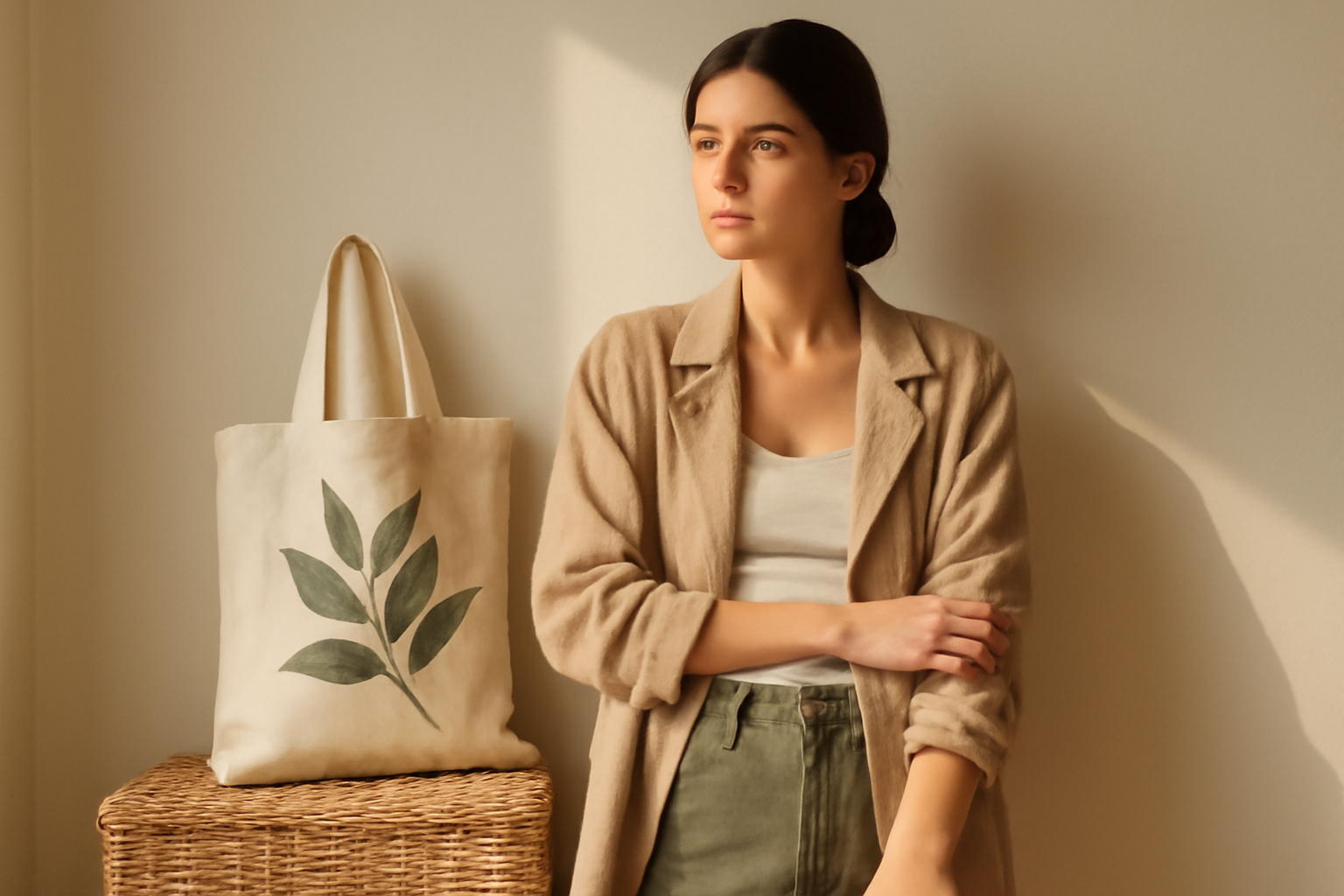
As the fashion industry continues to evolve, many consumers are questioning the sustainability of budget fashion. This FAQ aims to clarify common inquiries surrounding affordable fashion and its long-term impact on the environment and society.
Understanding the dynamics of budget fashion can help consumers make informed choices. From the production process to the lifecycle of clothing, let's explore the sustainability of budget-friendly clothing options.
1. What is budget fashion?
Budget fashion refers to clothing that is stylish and affordable, making it accessible to a wider audience. These products are often produced at a lower cost, allowing consumers to purchase trendy outfits for women without breaking the bank. Budget fashion is typically available through retailers that focus on cost-effective production methods. Your Ultimate Guide to Affordable Fashion.
2. How is budget fashion produced?
Budget fashion is usually produced using mass manufacturing techniques that prioritize cost efficiency. This can involve the use of synthetic materials, lower labor costs, and economies of scale. While this approach allows for affordable fashion options, it can raise concerns about ethical labor practices and environmental impact.
3. Is budget fashion sustainable?
The sustainability of budget fashion is a complex issue. On one hand, it provides consumers with affordable clothing choices, promoting accessibility in fashion. On the other hand, the production methods often lead to waste and pollution. Sustainable practices are increasingly being adopted by some budget brands, but it's essential for consumers to assess each brand's commitment to sustainability individually.
4. What are the environmental impacts of budget fashion?
Budget fashion can contribute to environmental issues such as waste and pollution. The fast fashion model encourages overconsumption, leading to clothing that is often discarded after a few uses. Additionally, the production process can involve harmful dyes and chemicals that pollute water sources. However, some brands are now implementing eco-friendly practices to mitigate these effects.
5. Are there sustainable budget fashion brands?
Yes, there are budget fashion brands that prioritize sustainability. These brands focus on ethical labor practices, use eco-friendly materials, and implement recycling programs. By supporting these companies, consumers can enjoy stylish everyday outfits while contributing to a more sustainable fashion industry.
When looking for sustainable budget fashion brands, it's essential to consider several factors that contribute to their eco-friendliness and ethical standards. Below are some key aspects to keep in mind:
1. Ethical Labor Practices
Many sustainable fashion brands ensure fair wages and safe working conditions for their employees. Look for brands that are transparent about their supply chain and labor practices. Key indicators of ethical labor include:
- Certification from organizations like Fair Trade or the Global Organic Textile Standard (GOTS).
- Clear information about where and how their products are made.
- Commitment to worker rights and community support initiatives.
2. Eco-Friendly Materials
Brands that prioritize sustainability often use materials that have a lower environmental impact. Here are some common eco-friendly materials to look for:
-
Organic Cotton: Grown without harmful pesticides and fertilizers, reducing soil and water pollution.
-
Recycled Polyester: Made from recycled plastic bottles, this material helps reduce waste and conserve resources.
-
Tencel: A biodegradable fabric made from sustainably sourced wood pulp, known for its softness and breathability.
When shopping, check the labels for these materials or visit the brand's website to learn more about their sourcing practices.
3. Recycling and Circular Fashion Initiatives
Some budget fashion brands are leading the way in recycling and circular fashion. They offer programs that encourage consumers to recycle their old clothes, which can be transformed into new garments or repurposed. Here's how you can identify such brands:
- Look for brands that have take-back programs, where you can return your old clothing for a discount on future purchases.
- Research if they produce clothes designed for longevity, which can be easily repaired or recycled.
- Check if they use innovative techniques to create new fabrics from recycled materials.
4. Examples of Sustainable Budget Fashion Brands
Here are a few examples of budget fashion brands that are making strides in sustainability:
-
Everlane: Known for its transparent pricing and ethical manufacturing practices, Everlane offers stylish basics made from sustainable materials.
-
Reformation: While slightly higher in price, Reformation frequently runs sales and offers a range of trendy pieces made from eco-friendly materials.
-
H&M Conscious Collection: H&M's Conscious line features clothing made from organic and recycled materials, making it a more sustainable option within the fast fashion realm.
-
ASOS Responsible Edit: ASOS has a dedicated section for sustainable brands and products, with a focus on eco-friendly materials and ethical practices.
5. Common Mistakes to Avoid
While seeking sustainable budget fashion brands, consumers often make a few common mistakes. Here's what to watch out for:
-
Assuming All Fast Fashion is Bad: Not all budget brands are created equal; some are genuinely committed to sustainability.
-
Neglecting Research: Always do your homework on a brand's practices before purchasing. Check their website, read reviews, and look for certifications.
-
Focusing Solely on Price: While affordability is important, consider the long-term value of investing in sustainable pieces that last longer and reduce waste.
By choosing to support sustainable budget fashion brands, you can make a positive impact on the environment while still enjoying stylish clothing. Remember to keep these factors in mind as you navigate the world of budget fashion, ensuring that your purchases align with your values and contribute to a more sustainable future.
6. How can consumers make sustainable choices in budget fashion?
Consumers can make sustainable choices by researching brands before purchasing. Look for companies that are transparent about their production processes and sustainability efforts. Additionally, consider investing in versatile pieces that can be worn in multiple ways, reducing the need for frequent purchases. Exploring product pages for outfits that emphasize quality and durability can also help.
7. What is the lifespan of budget fashion items?
The lifespan of budget fashion items can vary significantly based on the quality of materials and construction. While some affordable clothing may wear out quickly, others can last for several seasons with proper care. Choosing budget-friendly clothing that is well-made can help extend its lifespan, making it a more sustainable option in the long run.
8. How does budget fashion affect consumer habits?
Budget fashion can influence consumer habits by promoting a culture of fast consumption. The allure of trendy outfits at low prices can lead to impulse buying and a higher turnover of clothing. To counter this, consumers can focus on building a capsule wardrobe with timeless, stylish pieces that serve as the foundation for countless outfits.
9. Can budget fashion be ethical?
Budget fashion can be ethical if brands prioritize fair labor practices and sustainable materials. Consumers should look for certifications and initiatives that indicate a brand's commitment to ethical standards. By supporting ethical budget fashion brands, shoppers can enjoy affordable clothing options without sacrificing their values.
10. What are the benefits of choosing sustainable budget fashion?
Choosing sustainable budget fashion provides several benefits. It reduces environmental impact, supports ethical labor practices, and encourages conscious consumerism. By prioritizing sustainability, consumers can help drive change in the fashion industry, promoting a healthier planet and fair treatment of workers.
Environmental Benefits
One of the most significant advantages of sustainable budget fashion is its positive impact on the environment. Here are some key aspects:
-
Reduced Waste: Sustainable fashion brands often focus on producing high-quality, durable clothing that lasts longer, which reduces the frequency of purchases and ultimately minimizes textile waste.
-
Use of Eco-Friendly Materials: Many sustainable budget fashion brands utilize organic cotton, recycled materials, and other environmentally friendly fabrics that require less water and energy to produce.
-
Lower Carbon Footprint: By sourcing materials locally and utilizing sustainable production methods, these brands often have a smaller carbon footprint compared to fast fashion giants.
Support for Ethical Labor Practices
Another compelling reason to choose sustainable budget fashion is the commitment to ethical labor practices:
-
Fair Wages: Many sustainable brands ensure that workers are paid fair wages and work in safe conditions, promoting a more equitable fashion industry.
-
Transparency: Sustainable brands often provide transparency about their supply chains, allowing consumers to make informed choices about where and how their clothing is made.
Encouragement of Conscious Consumerism
By opting for sustainable budget fashion, consumers can contribute to a broader movement towards conscious consumerism:
-
Mindful Purchasing: Sustainable fashion encourages consumers to think critically about their purchases, focusing on quality over quantity and considering the long-term impact of their buying habits.
-
Supporting Local Economies: Many sustainable brands prioritize local production, which supports local economies and reduces the environmental impact associated with shipping goods over long distances.
Practical Steps to Choose Sustainable Budget Fashion
To fully embrace the benefits of sustainable budget fashion, consider the following practical steps:
-
Research Brands: Look for brands that prioritize sustainability in their materials, production processes, and labor practices. Check their websites for sustainability commitments and certifications.
-
Invest in Quality: Choose pieces that are made to last. High-quality clothing may have a higher upfront cost but will save money in the long run through reduced need for replacements.
-
Shop Second-Hand: Explore thrift stores, consignment shops, and online resale platforms. Buying second-hand is a sustainable option that extends the life of clothing and reduces waste.
-
Care for Your Clothes: Properly maintaining your garments can extend their lifespan. Follow care instructions, wash less frequently, and store them properly to keep them looking good longer.
Common Mistakes to Avoid
When choosing sustainable budget fashion, be aware of these common pitfalls:
-
Assuming All Budget Fashion is Unsustainable: Not all affordable clothing is unsustainable. Many budget brands are making strides toward sustainability, so do your research.
-
Overlooking Quality for Price: A lower price tag might be tempting, but if the item is poorly made, it may need to be replaced sooner, negating any budget savings.
-
Ignoring Care Instructions: Neglecting to follow care instructions can lead to premature wear and tear. Always pay attention to how to best care for your clothing.
In summary, choosing sustainable budget fashion not only benefits the environment and supports ethical labor but also empowers consumers to make informed, conscious choices. By taking practical steps and avoiding common mistakes, you can enjoy fashion that aligns with your values while looking stylish and feeling confident.
11. How can I identify sustainable budget fashion brands?
Identifying sustainable budget fashion brands requires some research. Look for labels that provide information about their materials, production processes, and ethical standards. Online reviews and sustainability ratings can also help guide your choices. Additionally, brands that offer transparent communication about their environmental initiatives are often more trustworthy.
12. What role do consumers play in promoting sustainable fashion?
Consumers play a crucial role in promoting sustainable fashion by making informed purchasing decisions. By supporting brands that prioritize sustainability and engaging in conversations about eco-friendly practices, consumers can create a demand for more responsible fashion options. This collective effort can encourage the industry to adopt more sustainable practices overall.
13. Are second-hand options a viable alternative to budget fashion?
Yes, second-hand options are an excellent alternative to budget fashion. Thrift stores, online resale platforms, and clothing swaps allow consumers to find stylish clothing without contributing to new production. This not only saves money but also extends the lifespan of garments, promoting a more sustainable approach to fashion.
14. How can I ensure my budget fashion choices are long-lasting?
To ensure your budget fashion choices are long-lasting, focus on quality over quantity. Invest in versatile, durable pieces that can be styled in multiple ways. Care for your clothing properly by following washing instructions and storing items correctly. This approach will help you enjoy your affordable fashion options for a longer time.
As you explore budget fashion, consider making informed choices that contribute to a sustainable future. By focusing on quality, supporting ethical brands, and embracing second-hand items, you can enjoy stylish and affordable clothing while minimizing your environmental impact.
In short
This post focuses on is budget fashion sustainable in the long run? with a practical approach you can apply right away. Built for Enthusiasts / learners / participants (not sellers). You?ll see clear explanations of the most common sticking points.
Quick answer
is budget fashion sustainable in the long run? is usually simpler than it appears. Focus on the definition, the one or two factors that matter most, and the common pitfalls. Once the basics are correct, advanced tactics start working naturally. Audience-first only. Write like a trusted niche blog: helpful, clear, structured, and genuinely informative. Focus on fundamentals, improvement, terminology, culture, people, gear, and common scenarios in the niche. Do NOT write seller/operator content (no "Shopify apps", no "optimize your store", no "collections setup", no "increase conversion rate", no SEO/ads talk). Avoid aggressive CTAs and "buy now" language. If products are mentioned, keep it subtle and contextual (examples, use-cases, what to look for), never pushy.
Context and related concepts
Fundamentals ? Beginner basics ? Terminology ? Glossary ? Skills ? Techniques ? Best practices ? Common mistakes ? Gear / tools / materials ? Options ? Use-cases ? Tradeoffs ? Culture ? Lifestyle ? Community norms ? History ? People / creators / athletes ? Events ? Trends ? Care / maintenance ? Safety ? Sizing / fit (if relevant)
Style market: Style Market is an online fashion store that offers trendy, affordable clothing for everyday wear. We sell stylish outfits, comfortable fashion pieces, and modern wardrobe essentials designed for people who want to look fashionable without spending a fortune. Our goal is to make stylish clothing accessible and easy to wear, helping customers create confident everyday looks with versatile fashion pieces.