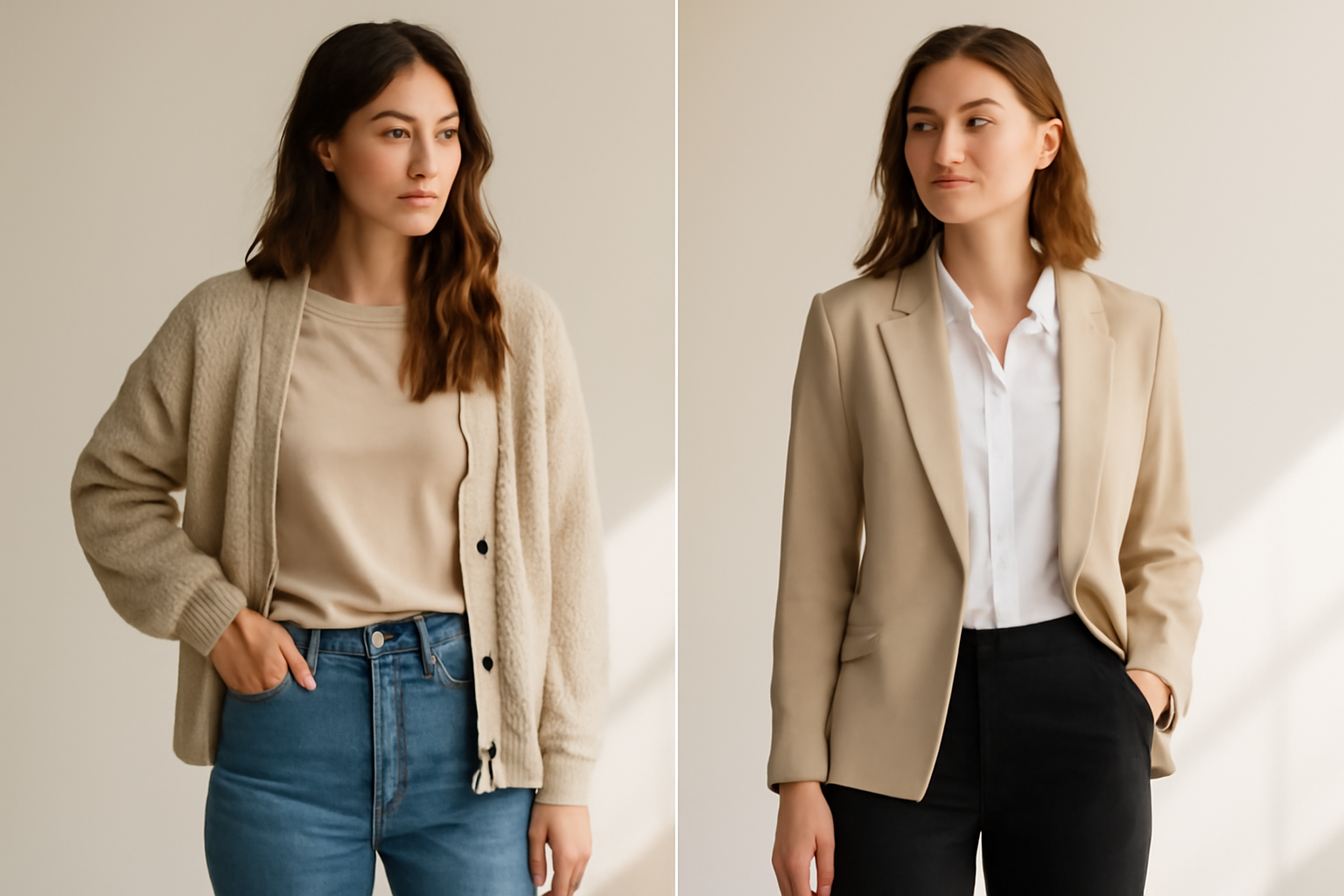
When it comes to everyday fashion, women often find themselves torn between casual and business casual styles. Each option offers unique benefits and can cater to different occasions, making it essential to understand their characteristics. By comparing these two fashion approaches, we can help you make informed decisions that align with your lifestyle and needs.
This comparison will delve into the key aspects of casual and business casual styles, including their fit, versatility, and appropriateness for various settings. Understanding these differences will empower you to choose the right wardrobe for your daily activities, whether you're off to brunch with friends or heading to the office.
Understanding Casual Fashion
Casual fashion embodies a relaxed and comfortable aesthetic, ideal for everyday wear. This style focuses on simple, easy-going outfits that prioritize comfort without compromising on style. With the right approach, casual fashion can be both practical and chic, making it a go-to choice for many women seeking to balance style with comfort. Your Ultimate Guide to Affordable Fashion.
Key Features of Casual Fashion
-
Comfortable Clothing Choices: Casual outfits often include soft fabrics, loose fits, and easy-to-wear designs. Look for materials like cotton, jersey, or modal that feel good against the skin. When selecting pieces, consider the fit; items that allow for movement, such as oversized sweaters or relaxed-fit trousers, can enhance comfort while maintaining a stylish appearance.
-
Versatile Pieces: Items like t-shirts, jeans, and sneakers are staples that can be mixed and matched. A classic white t-shirt can be dressed up with a blazer or down with joggers. Invest in a few key versatile pieces, such as a denim jacket, a pair of well-fitting jeans, and comfortable flats or sneakers. This variety allows you to create numerous outfits for different occasions without needing an extensive wardrobe.
-
Personal Expression: Casual fashion allows for creativity and personal flair, encouraging unique combinations. Don't hesitate to experiment with colors, patterns, and accessories. For instance, pairing a graphic tee with a plaid skirt can create a playful look. Accessories like scarves, hats, and statement jewelry can also elevate a simple outfit, showcasing your personal style while keeping it casual.
Choosing the Right Casual Outfits
When selecting casual outfits, consider the following steps to ensure you maintain comfort while looking stylish: affordable clothing options.
-
Assess Your Wardrobe: Take stock of your current clothing items. Identify versatile pieces that can be mixed and matched. This will help you understand what you have and what you may need to add.
-
Focus on Fit: Ensure that the clothing you choose fits well and flatters your body shape. Even casual outfits can look polished with the right fit. Avoid overly tight or baggy clothing, as both can detract from a stylish appearance.
-
Layer Wisely: Layering is a key component of casual fashion. Use lightweight jackets, cardigans, or long-sleeve shirts to add depth to your outfit. This not only provides comfort but also allows for easy transitions between different settings, like moving from a chilly office to a warmer outdoor space.
-
Accessorize Thoughtfully: Accessories can transform a basic outfit into something special. Choose accessories that reflect your personality, such as a colorful handbag or bold earrings. However, be careful not to overdo it; a few well-chosen pieces can enhance your look without overwhelming it.
Common Mistakes to Avoid
While casual fashion is all about comfort and ease, there are some common pitfalls to watch out for:
-
Neglecting Fit: As mentioned, fit is crucial. Avoid wearing items that are too loose or too tight, as they can compromise both comfort and style.
-
Overcomplicating Outfits: Casual fashion should be simple. Avoid over-styling with too many layers or accessories. Stick to a few key pieces that work well together for a more cohesive look.
-
Ignoring Occasion: Casual doesn't mean sloppy. Be mindful of the occasion when choosing your outfit. For instance, a casual gathering may allow for jeans and a t-shirt, but a casual office environment might require a bit more polish, like tailored trousers and a nice top.
-
Forgetting About Footwear: Shoes can make or break a casual outfit. Ensure your footwear is not only stylish but also comfortable. Sneakers, loafers, and ankle boots are great choices that can complement various casual looks.
By understanding and applying these principles of casual fashion, you can create outfits that are not only comfortable but also reflect your unique style. Embrace the versatility of casual wear and enjoy the freedom it offers in your everyday life.
Exploring Business Casual Fashion
Business casual fashion strikes a balance between professional and relaxed styles. It's designed to be appropriate for work settings while still offering comfort and style.
Key Features of Business Casual Fashion
-
Polished Appearance: Outfits often include blouses, tailored pants, and dresses that maintain a professional look.
-
Affordable Fashion Options: There are many budget-friendly clothing choices available that fit the business casual mold without breaking the bank.
-
Versatility: Business casual pieces can often transition into casual settings with minor tweaks, such as swapping heels for flats.
Comparison Table: Casual vs. Business Casual
| Aspect |
Casual Fashion |
Business Casual Fashion |
| Comfort |
High emphasis on comfort with relaxed fits |
Comfort balanced with a polished look |
| Style Variety |
Wide range of personal styles |
Structured yet adaptable styles |
| Occasions |
Casual outings, weekends |
Work environments, professional settings |
| Fabric Choices |
Soft materials like cotton and jersey |
More tailored fabrics like blends and crepes |
| Accessorizing |
Casual accessories, minimal effort |
Defined accessories that enhance professionalism |
Comfort
When it comes to comfort, casual fashion takes the lead with a focus on relaxed fits that allow for ease of movement. Think of oversized tees, joggers, and comfy sneakers that make you feel at home no matter where you are. On the other hand, business casual fashion seeks to strike a balance between comfort and professionalism. This might include tailored blouses paired with stretchy trousers or smart flats that offer support without sacrificing style. To ensure you find the right balance, consider the following:
-
Fit: Choose clothing that allows for movement but still looks put together.
-
Layering: Use layers to adjust to different environments, like a blazer over a soft top.
-
Footwear: Opt for shoes that provide comfort while maintaining a professional appearance.
Style Variety
Casual fashion provides a wide array of styles that reflect personal taste, from bohemian to streetwear. This variety allows individuals to express themselves freely. In contrast, business casual fashion is structured yet adaptable, often incorporating elements from casual wear while ensuring a polished look. Here are some examples of how to mix and match styles:
-
Casual: Pair a graphic tee with high-waisted jeans and ankle boots.
-
Business Casual: Combine a tailored blazer with a simple blouse and dress pants.
-
Mixing Styles: A smart casual outfit could include a fitted turtleneck with a denim skirt and loafers.
Occasions
Understanding the occasions for each style is crucial. Casual fashion is perfect for casual outings, weekends, or relaxed gatherings with friends. Business casual, however, is designed for work environments and professional settings where you want to make a good impression. Here are some tips for choosing the right outfit based on the occasion:
-
Casual Outings: Choose comfortable and fun pieces that reflect your personality.
-
Work Events: Aim for a polished look that still feels comfortable, like a chic dress with a cardigan.
-
Networking: Opt for business casual attire that conveys professionalism while allowing for comfort during long events.
Fabric Choices
The choice of fabric can significantly impact the overall look and feel of your outfit. Casual fashion often utilizes soft materials like cotton and jersey, which provide comfort and breathability. Business casual attire, however, leans towards more tailored fabrics such as blends and crepes that offer a refined appearance. Consider these fabric tips:
-
Casual Fabrics: Look for breathable materials that move with you, like cotton blends for summer.
-
Business Casual Fabrics: Choose fabrics that hold their shape, such as polyester blends that resist wrinkling.
-
Layering: Use lightweight fabrics for layering to adapt to temperature changes throughout the day.
Accessorizing
Accessorizing plays a key role in defining both casual and business casual outfits. Casual accessories tend to be more relaxed and require minimal effort, such as a simple tote bag or a pair of hoop earrings. In contrast, business casual accessories should enhance professionalism and may include structured bags, watches, or elegant jewelry. Here are some accessory tips for each style:
-
Casual Accessories: Keep it simple with crossbody bags and playful jewelry.
-
Business Casual Accessories: Opt for sophisticated pieces, like a leather handbag and understated earrings.
-
Mixing Accessories: Use a statement necklace to elevate a basic business casual outfit.
Fit and Comfort: A Closer Look
Fit plays a crucial role in how comfortable and confident you feel in your outfit. Casual fashion is typically more forgiving, allowing for movement and relaxation. In contrast, business casual requires a fit that conveys professionalism while still being comfortable enough for long workdays.
Casual Fit Considerations
- Look for oversized t-shirts, relaxed jeans, and breathable fabrics.
- Embrace loose-fitting dresses and comfortable footwear.
Business Casual Fit Considerations
- Seek tailored blouses that flatter your figure without being restrictive.
- Select pants that provide structure yet allow for movement.
Which Option Fits You?
Choosing between casual and business casual fashion can depend on your daily activities and lifestyle. Here's a quick guide to help you determine which option suits you best:
-
Casual Fashion: Ideal for those who prioritize comfort and personal expression in their daily attire. Perfect for weekends, casual outings, and relaxed environments.
-
Business Casual Fashion: Best for professionals who need to maintain a polished appearance at work but still want to feel comfortable. Suitable for office settings, meetings, and networking events.
Final Thoughts
Understanding the differences between casual and business casual fashion can help you curate a wardrobe that meets your needs for various occasions. Whether you lean towards comfortable clothing choices or prefer polished outfits, both styles offer opportunities for self-expression and confidence. Consider your daily activities and dress codes to make the best selection for your wardrobe. Explore product pages for outfits that fit your chosen style and enjoy the versatility of affordable clothing options that keep you looking stylish every day.
Assessing Your Lifestyle Needs
To effectively choose between casual and business casual fashion, start by assessing your lifestyle needs. Ask yourself the following questions:
- What is my typical daily routine? Do I work in a formal environment, or is my workplace more relaxed?
- What activities do I engage in during the week? Do I attend meetings, social events, or casual outings?
- What is the dress code at my workplace or for specific occasions I frequently attend?
By answering these questions, you'll have a clearer idea of which clothing style will serve you best. For instance, if you have frequent client meetings, investing in business casual attire might be more beneficial. On the other hand, if your week mainly consists of casual outings, focusing on comfortable clothing will be ideal.
Building a Versatile Wardrobe
Creating a versatile wardrobe that includes both casual and business casual pieces allows you to adapt to different settings effortlessly. Here are some tips on how to build this wardrobe:
-
Identify Key Pieces: Start with essential items that can be mixed and matched. For business casual, consider blazers, tailored trousers, and classic blouses. For casual wear, opt for comfortable jeans, t-shirts, and stylish sneakers.
-
Focus on Layers: Layering can transform an outfit from casual to business casual. For example, a simple dress can be dressed up with a blazer and heels or dressed down with a denim jacket and flats.
-
Choose Neutral Colors: Neutral colors can provide a solid foundation for your wardrobe. They are versatile and can be paired with various accessories to create different looks.
-
Accessorize Wisely: Accessories can elevate your outfit. A statement necklace or a chic handbag can add a touch of sophistication to a casual outfit, while a simple scarf can make a business casual look more approachable.
Common Mistakes to Avoid
While curating your wardrobe, be mindful of these common mistakes that can hinder your style:
-
Overcomplicating Outfits: Simplicity is key. Avoid overloading your outfits with too many layers or accessories that clash. Aim for a balanced look that feels cohesive.
-
Ignoring Fit: Regardless of the style, fit is crucial. Ensure your clothing fits well to enhance your silhouette. Ill-fitting clothes can make even the most stylish outfit look unkempt.
-
Neglecting Comfort: Fashion should not come at the expense of comfort. Always prioritize pieces that feel good to wear, especially if you'll be in them for long periods.
-
Sticking to One Style: Don't limit yourself to just casual or business casual. Embrace the versatility of both styles to create a dynamic and functional wardrobe.
Final Tips for Fashion Success
To wrap up, here are some final tips to keep in mind as you navigate your fashion choices:
-
Stay Updated on Trends: Fashion is ever-evolving. Keep an eye on trends to refresh your wardrobe periodically without losing your personal style.
-
Invest in Quality Basics: Quality basics can serve as the backbone of your wardrobe. Look for well-made items that will last and can be styled in various ways.
-
Experiment: Don't be afraid to try new combinations or styles. Fashion is about personal expression, so have fun with it!
-
Seek Inspiration: Look for outfit inspiration from fashion blogs, social media, or even friends. This can help you discover new ways to wear your existing pieces.
By understanding and implementing these strategies, you can confidently navigate the world of casual and business casual fashion, ensuring your wardrobe is both stylish and functional for any occasion.
In short
This post focuses on comparing everyday fashion options for women with a practical approach you can apply right away. Built for Enthusiasts / learners / participants (not sellers). You?ll see options compared, tradeoffs explained, and when to choose each.
Quick answer
comparing everyday fashion options for women usually comes down to tradeoffs like speed versus control or simplicity versus flexibility. Choose the option that fits your constraints first, then optimize once it's working. Audience-first only. Write like a trusted niche blog: helpful, clear, structured, and genuinely informative. Focus on fundamentals, improvement, terminology, culture, people, gear, and common scenarios in the niche. Do NOT write seller/operator content (no "Shopify apps", no "optimize your store", no "collections setup", no "increase conversion rate", no SEO/ads talk). Avoid aggressive CTAs and "buy now" language. If products are mentioned, keep it subtle and contextual (examples, use-cases, what to look for), never pushy.
Context and related concepts
Fundamentals ? Beginner basics ? Terminology ? Glossary ? Skills ? Techniques ? Best practices ? Common mistakes ? Gear / tools / materials ? Options ? Use-cases ? Tradeoffs ? Culture ? Lifestyle ? Community norms ? History ? People / creators / athletes ? Events ? Trends ? Care / maintenance ? Safety ? Sizing / fit (if relevant)
Style market: Style Market is an online fashion store that offers trendy, affordable clothing for everyday wear. We sell stylish outfits, comfortable fashion pieces, and modern wardrobe essentials designed for people who want to look fashionable without spending a fortune. Our goal is to make stylish clothing accessible and easy to wear, helping customers create confident everyday looks with versatile fashion pieces.